









































































Verified Platforms
Quick Links
Where to Stay Secure
Thank you! Your submission has been received!
Oops! Something went wrong while submitting the form.


It is past eleven and a token you have never heard of is up 140% on your screen.
Three apps agree. The chart is a green wall. A message in a group you half-trust says it is early, that the listing is coming, that this is the one. Two more screenshots drop while you are still reading the first. Your thumb is already resting over the buy button, and you have not checked a single thing about the token except that it is going up. The only thing in the room is the sense that it is leaving without you.
That feeling is the product. Not the token — the feeling.
A coordinated pump does not only inflate a price. It inflates the person watching it. It is not one manipulation but two, running at once — one on the price, one on the person. The chart is the bait. You are the target.
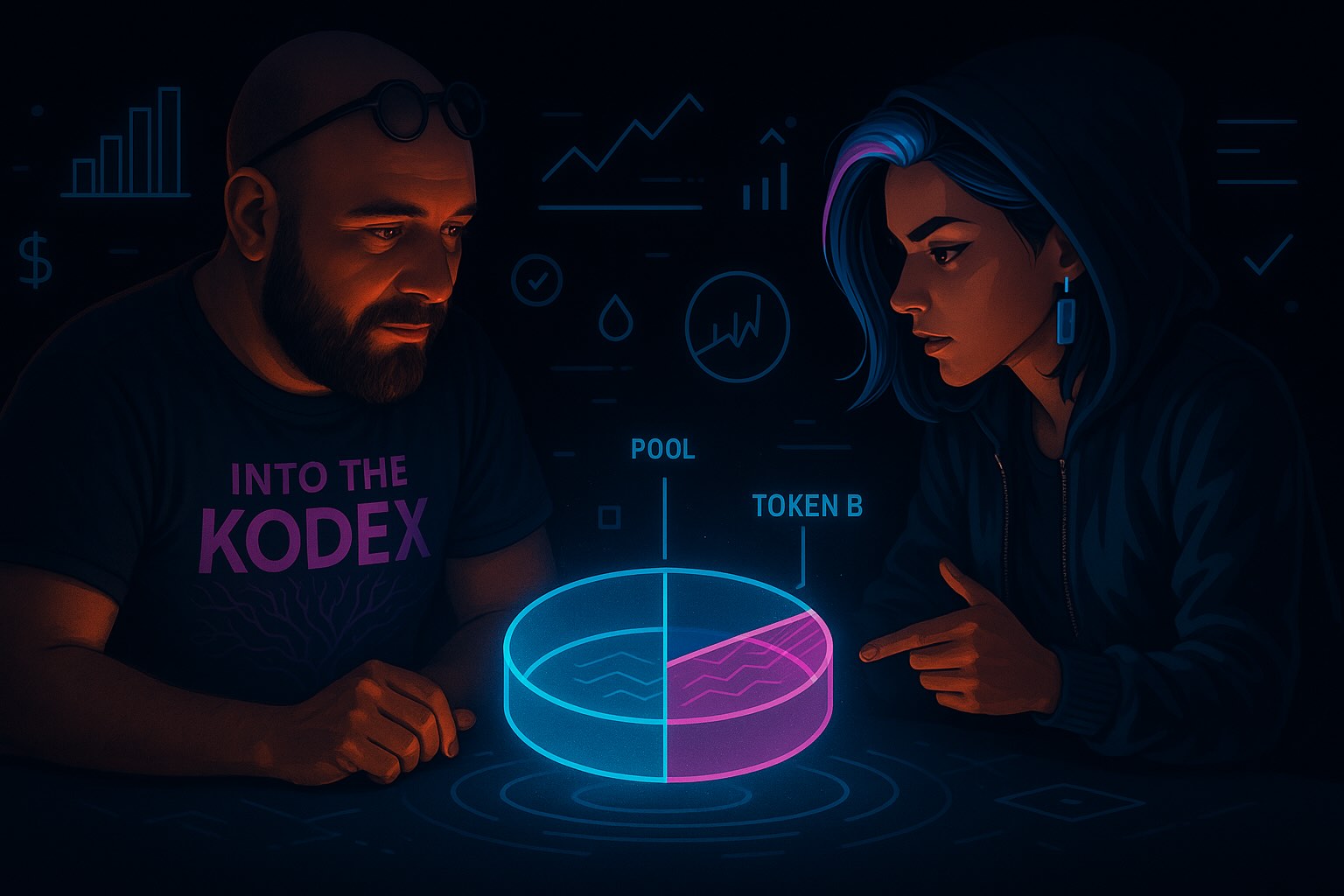
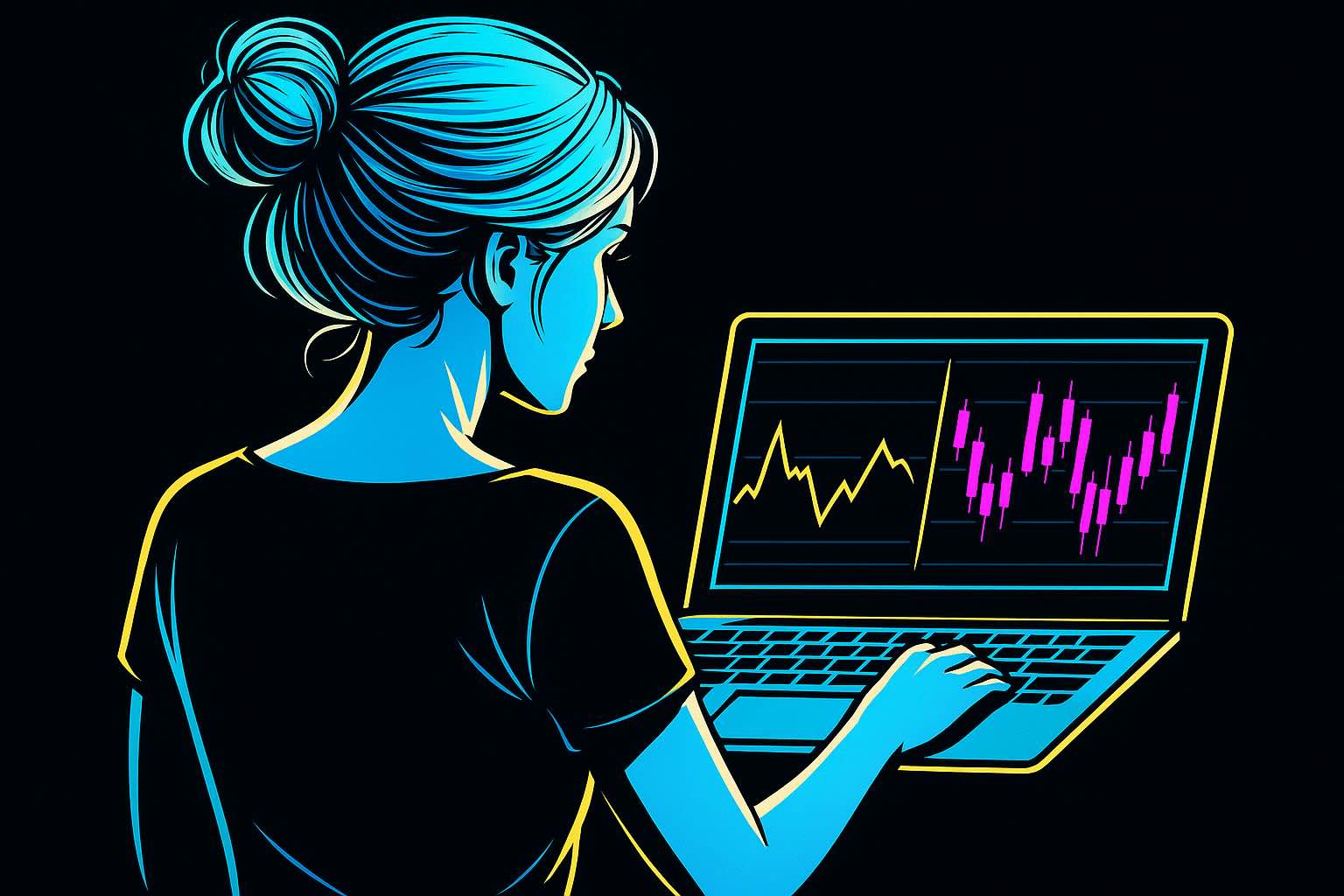
This walkthrough follows Lilith — Kodex's cybersecurity veteran, twenty years spent watching where power settles after the noise clears — through both halves of a crypto pump and dump: the signature it leaves on the chart, and the one it leaves in you. Knowing how to spot a pump and dump is two skills, not one.
Lilith does not look at the price first. She opens the holder list and counts how few wallets hold how much.
You buy.
Not because you studied the token — because the candle is vertical and caution suddenly feels expensive. That is the exact moment the move was built to produce. The people who started this bought hours ago, in the quiet. You are arriving at the part of the plan where they get to leave.
Lilith has watched this sequence enough times to call the moves before they land. A pump and dump runs in four, and the order rarely changes. You just do not feel them as separate stages while you are standing inside one.
It starts in the quiet. A few wallets accumulate a thin, low-liquidity token while nobody is looking — cheap, slow, no chart worth screenshotting. Then the call goes out: a private Telegram or Discord room, a paid mention, a "leak" timed to feel like something you found yourself. That is social engineering wearing a price chart. Then comes the pump — insiders and the crowd buy together, the candle goes vertical, the ticker trends, and the room fills with people feeling exactly what you just felt. Then the dump. The early wallets sell into the demand they summoned. Price falls through the floor it just built, the room goes quiet, and it starts hunting the next ticker.
None of that is improvised. A USENIX study, The Anatomy of a Cryptocurrency Pump-and-Dump Scheme, mapped 412 of these events run out of Telegram channels and found them scheduled, rehearsed, and repeated — not a crowd getting lucky at the same time.
Lilith maps the same four moves by one question: what is each one trying to take from you?
| The move | What it does to the float | What it wants from you |
|---|---|---|
| Accumulation | A few wallets buy the supply cheap and quiet | Nothing yet — you are not watching |
| The call | Hype lands in private rooms and paid posts | Curiosity, then the fear of being last |
| The pump | Insiders and crowd buy; the candle goes vertical | The buy, made near the top |
| The dump | Insiders sell into the demand they built | The hope it bounces, then the trade to win it back |
The candle reverses in minutes.
The position you opened near the top does not.
By the time the dump prints, the scheme has already finished the harder half of its work. It has moved off the chart and into your head.
Lilith reads the same three things every time, and not one of them is the price.
Start with volume. A real move has a reason you can name — a listing, a token unlock, a shipped product, a macro print. A pump has volume with no story, or a story that arrives suspiciously pre-packaged. Some of that volume is not even real: organizers wash-trade the token between their own wallets to manufacture the look of demand before anyone from outside shows up.
Then read the liquidity instead of the price. A shallow pool and a thin order book mean a few thousand dollars of selling can erase a candle that took an hour to build. Price is what you see. Liquidity decides whether you can actually leave at that price. It is a trapdoor with a chart painted on the lid.
Then count the holders. When a handful of wallets hold the bulk of the supply, they own your exit — you only borrow it. And watch the direction of the earliest money. The first wallets in, quietly walking their coins to an exchange while the rally is still running, are the dump warming up in plain sight.
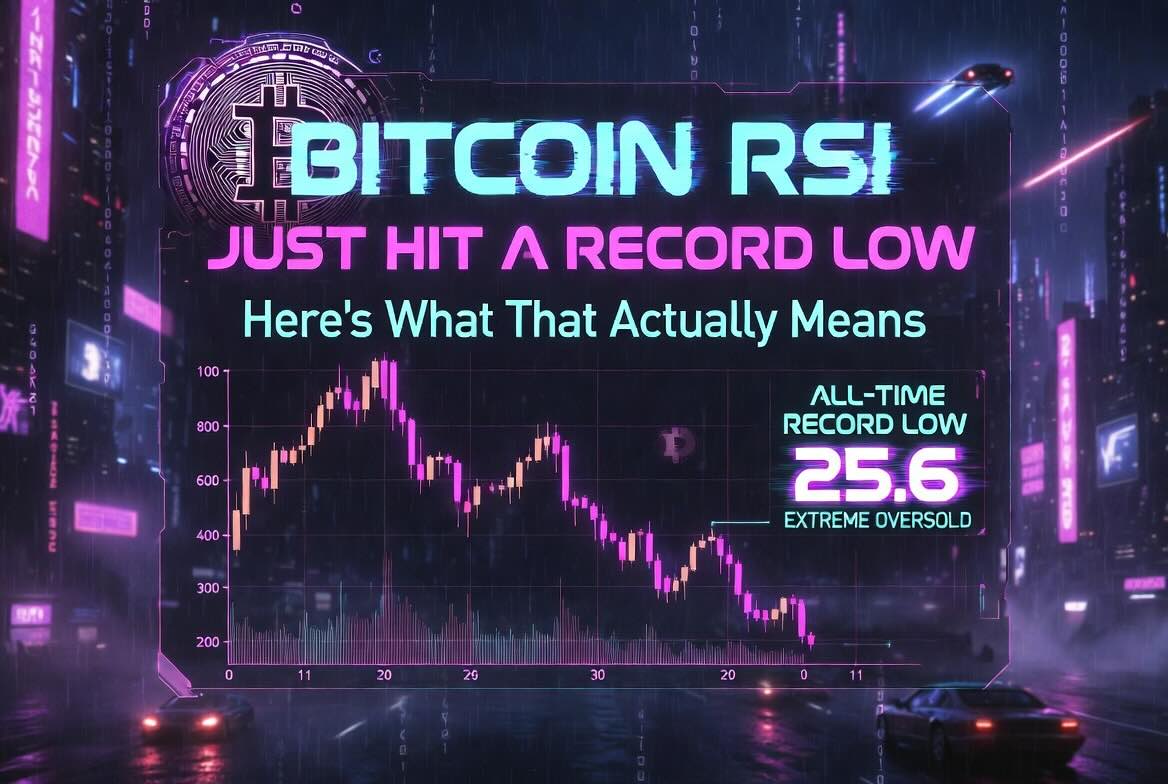
On-chain, this pattern is common and measurable. Chainalysis found that in 2023, more than half of the tokens that reached a decentralized exchange — 53.6% — carried the trading signature of a pump and dump. Together they moved barely 1.3% of total DEX volume, and the people who launched them cleared around $241.6 million between them. Common, small per token, designed to vanish into the noise of a busy market.
A token can be a manipulation and a rounding error at the same time. To you, holding it, it is not a rounding error.
When supply concentration, dead-catalyst volume, and early wallets heading for the door all line up, Lilith does not need the Telegram room to tell her what she is looking at.
Now live the other half.
The dump hits while you are still holding. One refresh and the green is gone — the same candle that pulled you in is now a cliff. The number you bought at stops being a price and becomes a debt you owe yourself. Selling means admitting the loss. Holding feels like loyalty to a decision you already made. So you wait for the bounce — which is precisely what the people who sold to you are counting on. A held bag is a buyer who has not capitulated yet. The bounce is not a rescue, but the exit they still need you to provide.
A vertical candle does one specific thing to a watching mind. It converts caution into the fear of missing out, and it does it right at the top. Then the dump anchors you to your entry. Two moves, both aimed at you, neither of them really about the token. The scheme is not built to move a price past you, but to move you past your own rules.
This is where revenge trading becomes a loop. The loss does not close the position in your head — it opens a new one, the trade that wins the money back. The scheme does not need you to hold this bag forever. It needs you tilted enough to chase the next coin moving the same way. One pump can seed three more entries, all of them yours, none of them planned.
"They are not selling you a token," Lilith says. "They are renting your reflexes — the chase on the way up, the revenge on the way down. The token is just the rental agreement."
That is the signature you cannot read off a price chart, because it lives in your own history. Pattern Intelligence is built to surface it: on the platform it tracks behavior across ten dimensions, flags signals like revenge trades, tilt cascades, and strategy drift, and sorts behavior into nine archetypes — including the Gambler, the profile a pump is built to switch on. Seeing that reflex in your own record is what lets you catch it before a manufactured candle finds it for you.
You cannot patch a chart.
You can patch the reflex.
Lilith's pre-trade pass takes about ninety seconds, and she runs it cold — before the buy button is anywhere near in play. A handful of checks filter out the engineered moves:
The countdown, the "last chance," the room of strangers cheering one ticker — that is manufactured scarcity, the social-engineering layer, not the signal. It exists to shorten the distance between seeing the token and buying it, because that distance is exactly where you would have noticed everything above.
A token that is real on Tuesday is still real on Thursday. A pump is not.
Ninety seconds kills more bad entries than any indicator on the screen.
Sometimes you are already in. The candle is green, the position is up, and the question is no longer whether this is a pump but what you do from inside one.
Decide the exit before the move decides it for you. A gain on a move you cannot explain is not conviction — it is a window, and windows close. Sell into strength while there are still buyers, or set the price where you walk away and hold yourself to it. The decision you make before the spike is the only one the spike cannot talk you out of.
The trap is averaging up — adding to a winner because the candle insists it will keep running. That is the same fear of missing out, wearing the mask of confidence. You are not building a position. You are enlarging the bag the dump was designed to hand you.
And if you are already out and red, the dangerous trade is the next one: the reflex to win it back on a different coin moving the same way. That reflex is the scheme's second harvest, and it does not need the original organizers to collect it.
The dump is not the worst loss.
The revenge trade after it usually is.
You cannot study your own panic by reading about it. The first manufactured spike you meet is usually one with real money riding on it, and that is the worst classroom there is.
The Market Simulator exists for that gap. After a free signup it starts you with $5,000 in paper capital, and a manufactured volatility spike costs nothing to sit through. On the platform it has logged 1,242 completed practice trades — reps where a loss is information instead of rent.
Then pair the reps with the mirror. Pattern Intelligence flags the revenge trade and the tilt cascade inside the simulator the same way it would in a live account, so you can meet your own Gambler reflex somewhere it cannot reach next month's bills.
Rehearsal does not make you immune. It makes the reflex visible — and a visible reflex is one you can change.
So the question to carry out of here is not the one the chart is asking. The chart asks whether the line goes up.
Lilith asks the better one: what does this setup already know about how you will react — and have you felt that pull before?
Spot the pump on the chart if you can.
Spot the one aimed at you first.